
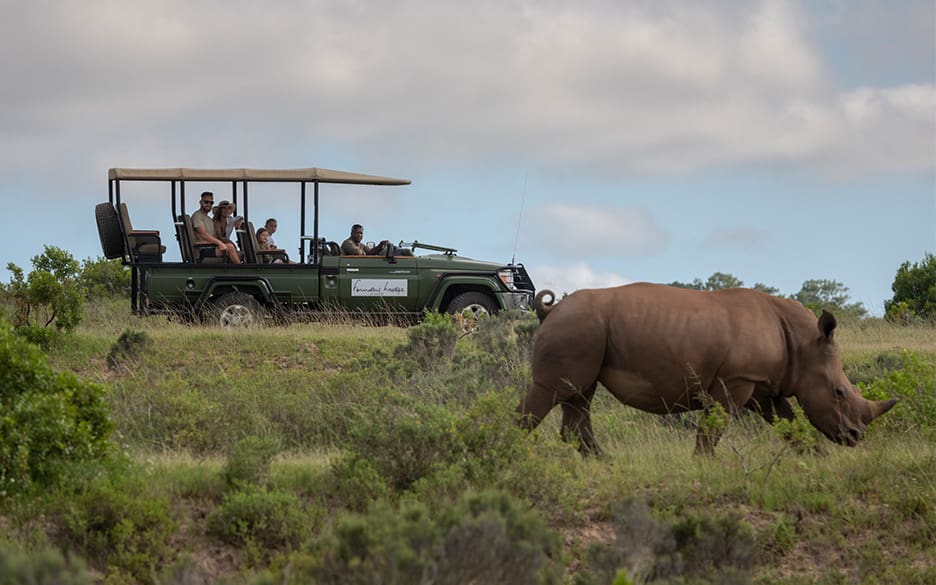
Our heritage, how Founders Lodge came to be
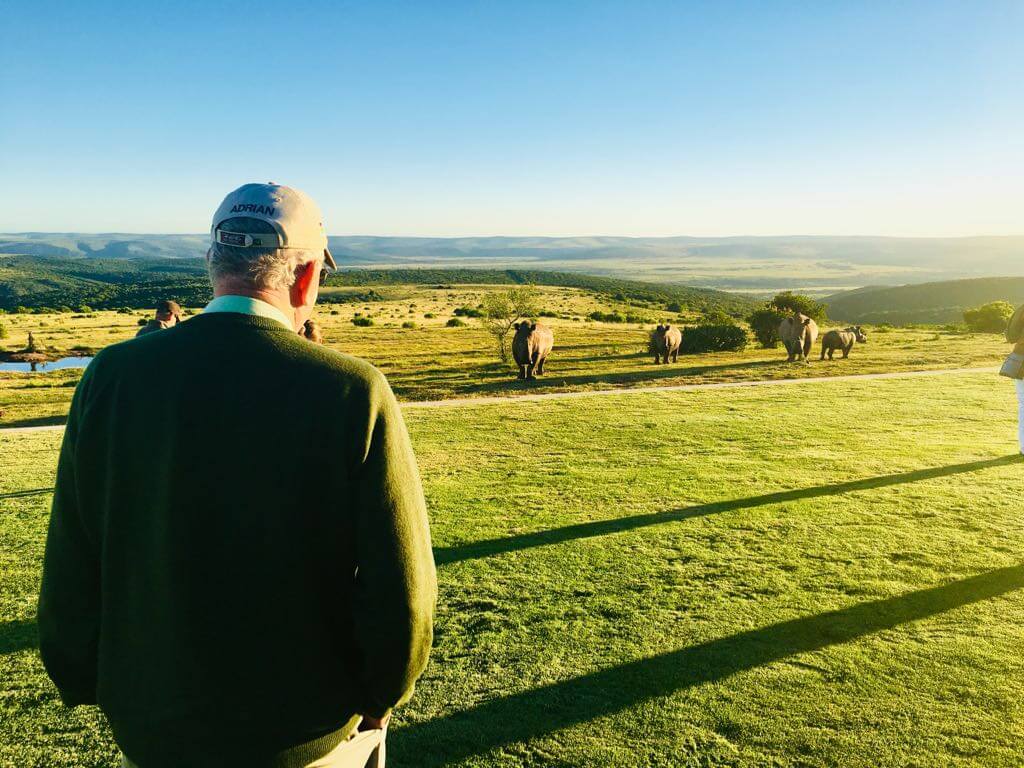
Adrian Gardiner, in brief
1943 · Born in Chingola, Zambia. Schooled in Rhodesia; a University of Cape Town graduate.
1989 · A farm in the Eastern Cape’s Sundays River Valley, bought as a family weekend retreat.
1992 · The farm becomes Shamwari Private Game Reserve, the first private Big Five reserve in the malaria-free Eastern Cape.
2000 · The Mantis Collection is founded, growing into a portfolio of conservation-led properties across Africa and beyond.
2008 · Shamwari is sold. The family retains the land that is now the Founders Reserve.
2016 · The manor opens its doors as Founders Lodge.
2018 · Accor acquires a 50% stake in Mantis; the Community Conservation Fund Africa is co-founded the same year.
The Founders story does not end at the fence line. The same family founded Sanbona Wildlife Reserve in the Western Cape, a vast stretch of restored Karoo landscape, and helped establish the Community Conservation Fund Africa, which channels tourism into conservation and community work across the continent.
What guests find at Founders Lodge is the personal thread of that story: the house it began in, the reserve kept back when Shamwari was sold, and a way of hosting that has stayed deliberately small. Seven suites. One table. The manor as it was lived in.
Travel writers have covered the lodge from the inside, from winter escapes to the rhino conservation work. Their features are collected on the Press & Awards page.
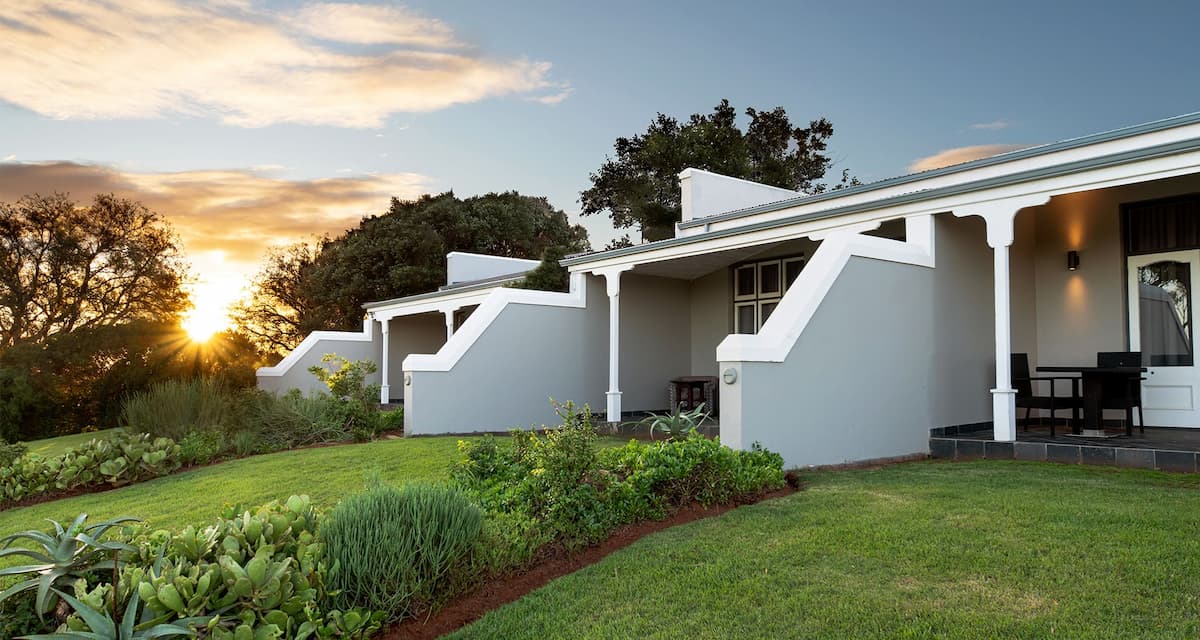
A 1940s colonial manor, twenty-one years a family home
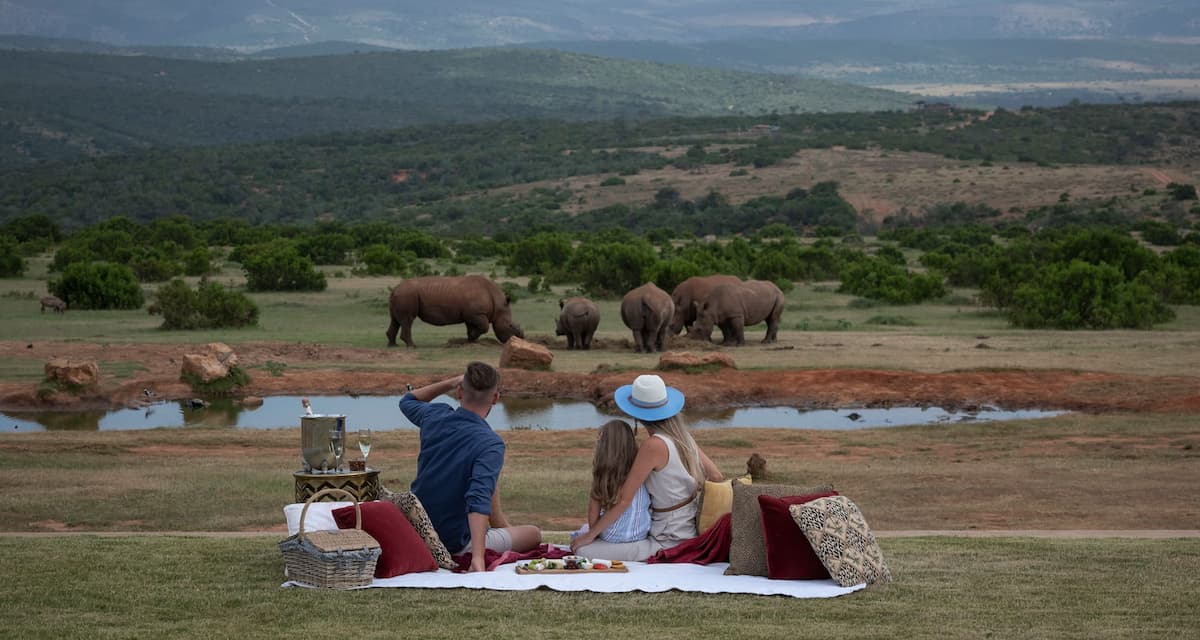
For the guests who stay here now, that history is not behind glass. Dinner is served in the rooms the family used. The verandas face the same waterhole. The house asks to be lived in, which is precisely what a stay here is.
Bookable directly, or via Accor Live Limitless
The conservation story on these pages is not archival. The reserve runs an active rhino conservation project, and guests join its daily rhythm through rhino observation and monitoring sessions led by the field team.
That guest-facing conservation work is the same thread that runs from the first rewilded farm to the Community Conservation Fund Africa: tourism paying for protection, and guests leaving with an intimate insight into nature conservation rather than a checklist of sightings.