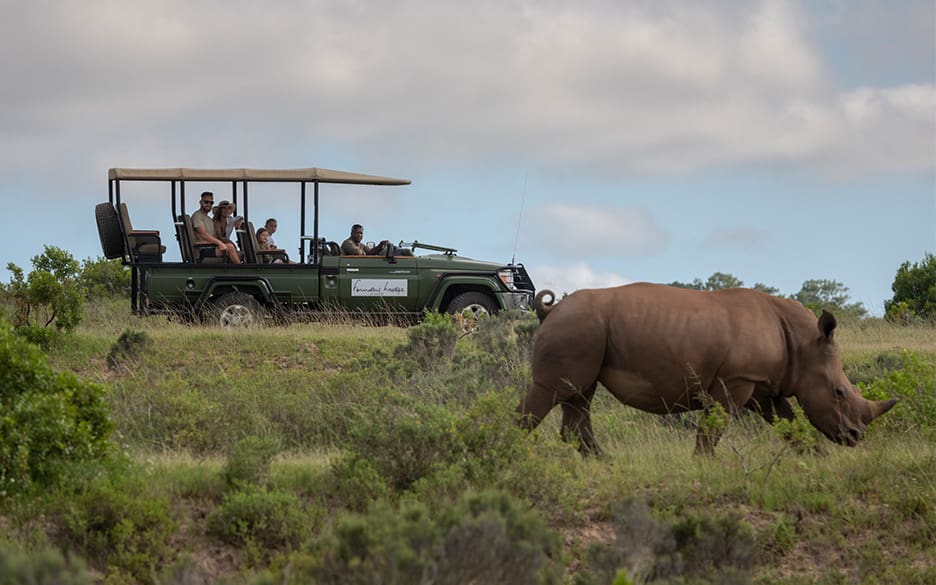
Safari photography in the Eastern Cape rewards patience, observation, and an understanding of light and landscape as much as it does technical skill. This malaria-free region offers a distinct photographic environment: open plains, rolling valleys, and varied habitats that allow photographers to work with space, texture, and changing conditions throughout the day.
At Founders Lodge, game drives explore a private reserve setting with traversing access into the adjacent Shamwari Private Game Reserve ecosystem, creating diverse photographic opportunities across a range of terrain and wildlife encounters.
This guide shares practical, field-tested insights to help photographers whether travelling with a DSLR, mirrorless system, or high-end compact make the most of an Eastern Cape safari.
Understanding the Eastern Cape Light
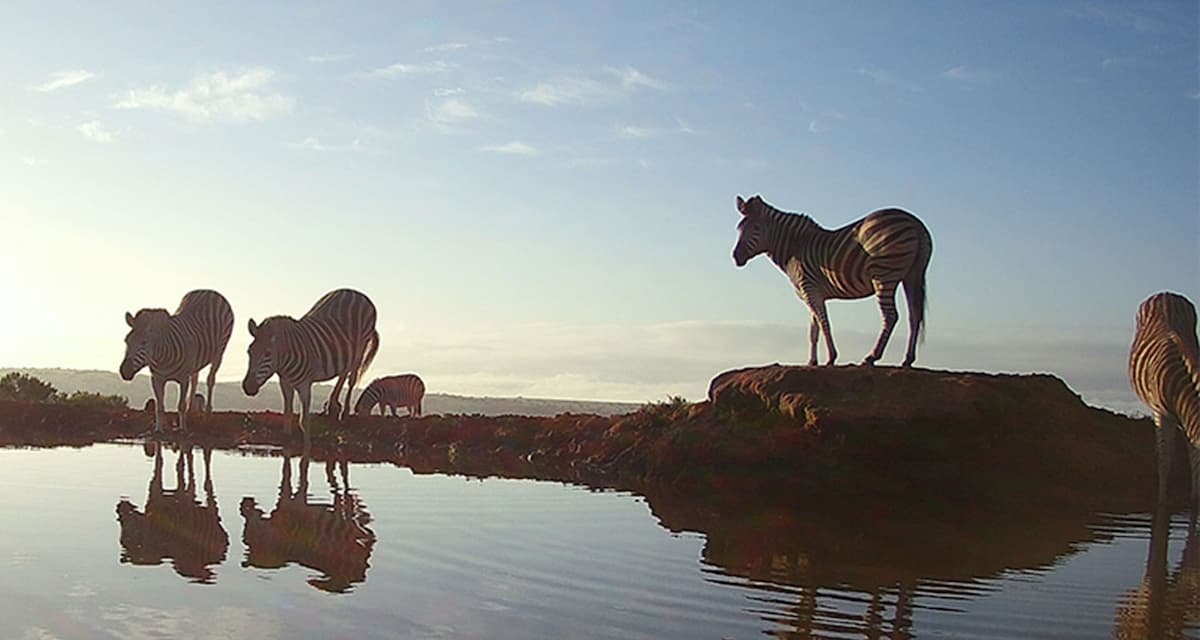
Light in the Eastern Cape behaves differently from more densely vegetated safari regions. The open landscapes allow light to travel unobstructed, producing softer transitions at sunrise and sunset and longer periods of usable light during golden hour.
Early morning drives often deliver:
- Low-angle light that enhances texture in grassland and animal coats
- Cooler colour temperatures that suit black-and-white or high-contrast compositions
- Mist or dust that adds atmosphere without obscuring subjects
Afternoon and evening drives bring:
- Warmer tones across plains and hills
- Backlit opportunities for silhouettes and rim lighting
- Increased animal movement toward waterholes
Rather than chasing constant action, successful photography here often comes from waiting for light to align with behaviour.
Lens Selection: What Works Best on an Eastern Cape Safari
The diversity of the Eastern Cape makes it one of the most forgiving regions for photographers who prefer not to carry excessive gear.
A versatile setup typically includes:
- A 70 to 200mm or 100 to 400mm lens for wildlife portraits and behavioural shots
- A 24 to 70mm lens for landscapes, environmental portraits, and lodge-based scenes
- Optional prime lenses for low-light or creative work
Because vehicles can often position at comfortable distances, extreme super-telephoto lenses are less essential than in more densely vegetated reserves.
Photographing the Big Five: Behaviour Over Proximity
While the Eastern Cape is well known for Big Five sightings, compelling images rarely come from proximity alone. Understanding animal behaviour allows photographers to anticipate moments rather than react to them.
Elephants often provide opportunities for layered compositions as family groups move across open terrain. Lions, frequently encountered resting during daylight hours, lend themselves to studies in form, texture, and group dynamics rather than action alone. Rhino encounters benefit from wider framing, placing animals within the context of landscape and space.
Patience, rather than shutter speed, is often the most valuable asset.
The Advantage of a Photographic Hide
One of Founders Lodge’s defining features for photographers is its sunken photographic hide overlooking a watering hole. Unlike vehicle-based photography, the hide offers:
- Eye-level perspectives with no vehicle interference
- Predictable wildlife movement patterns
- The ability to work with slower shutter speeds and deliberate composition
This environment is particularly effective for:
- Reflections and symmetry
- Minimalist compositions
- Observing interactions between multiple species
The absence of engine noise and movement allows wildlife to behave naturally, often resulting in more authentic imagery.
Camera Settings for Safari Conditions
Eastern Cape safari photography benefits from adaptable camera settings rather than rigid presets.
General starting points:
- Aperture priority for changing light conditions
- Auto ISO with a capped upper limit to manage grain
- Continuous autofocus with single-point or zone tracking
- Shutter speeds adjusted to subject movement rather than default fast settings
Dust, light wind, and movement are common factors. Simple precautions such as lens cloths, weather-sealed bags, and mindful lens changes help protect equipment without disrupting the experience.
Eastern Cape safari photography benefits from adaptable camera settings rather than rigid presets.
Composing Beyond Wildlife Portraits
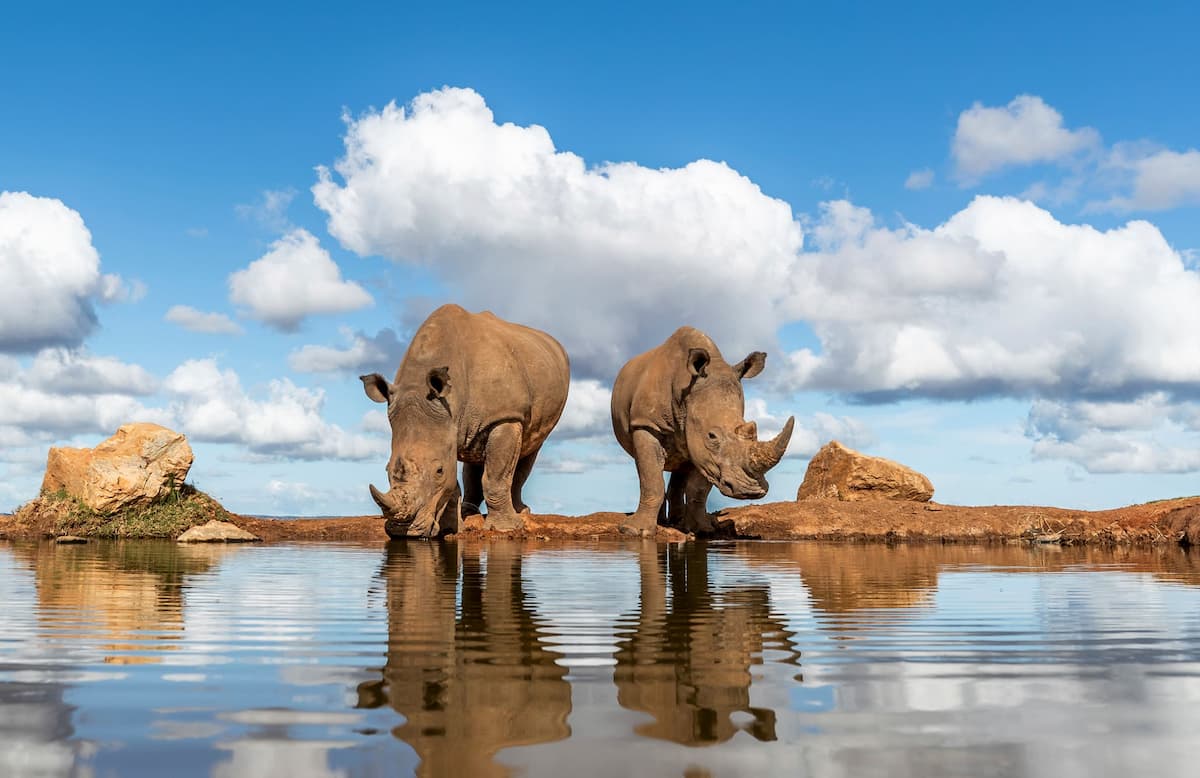
Some of the strongest safari images in the Eastern Cape are not tight wildlife portraits. The region lends itself to:
- Negative space compositions
- Wildlife framed by distant hills or open sky
- Human-scale storytelling, where animals occupy a small but powerful part of the frame
Photographers who step back both literally and creatively often produce images that convey place rather than just presence.
Ethical Wildlife Photography on Safari
Ethical photography is central to responsible safari experiences. At Founders Lodge, guides prioritise wildlife welfare over photographic positioning, ensuring that sightings remain respectful and unobtrusive.
This approach supports:
- Natural behaviour
- Safer encounters
- Long-term conservation outcomes
For photographers, it also results in images that feel grounded, authentic, and timeless.
Planning Your Safari Photography Experience
Preparation makes a noticeable difference. Photographers are encouraged to:
- Discuss photographic interests with guides before drives
- Travel light and organised to reduce distraction
- Focus on quality moments rather than volume of shots
The Eastern Cape rewards photographers who slow down and allow the environment to shape the story.
Photographing Safari at Founders Lodge
Founders Lodge offers a photographic environment defined by space, light, and access to a broader conservation landscape. With twice-daily game drives, a dedicated photographic hide, and a malaria-free setting, it is particularly well suited to photographers seeking a balanced, immersive safari experience rather than constant motion.
For those planning a photographic safari in South Africa’s Eastern Cape, understanding the region’s rhythms is the first step toward meaningful imagery.
Plan Your Photographic Safari
If you would like guidance on timing, equipment considerations, or how to integrate photography into your safari stay, the reservations team can assist with planning and availability.