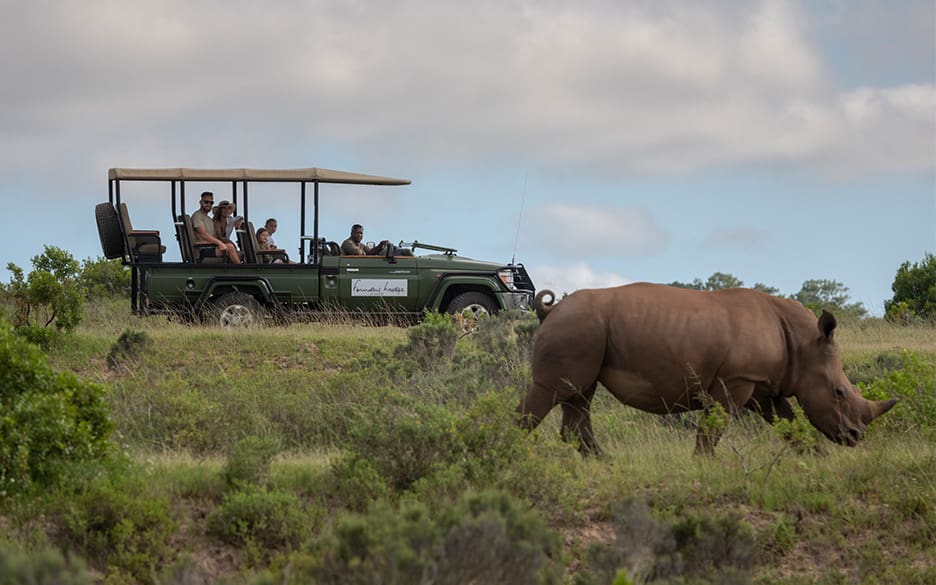
Birds, Insects & the Hidden Wildlife Web
Safari narratives often focus on scale: large animals, dramatic encounters, and well-known sightings. Yet much of the Eastern Cape bush operates quietly, in smaller interactions that shape the landscape as profoundly as any predator or herd.
At Founders Lodge, time spent observing birds, insects, and lesser-noticed species reveals a deeper understanding of how the ecosystem functions. These small moments, often overlooked, form the connective tissue of the bush, linking habitats, seasons, and species into a living network.
This is where the safari experience slows, and attention sharpens.
The Bush Beyond the Big Five
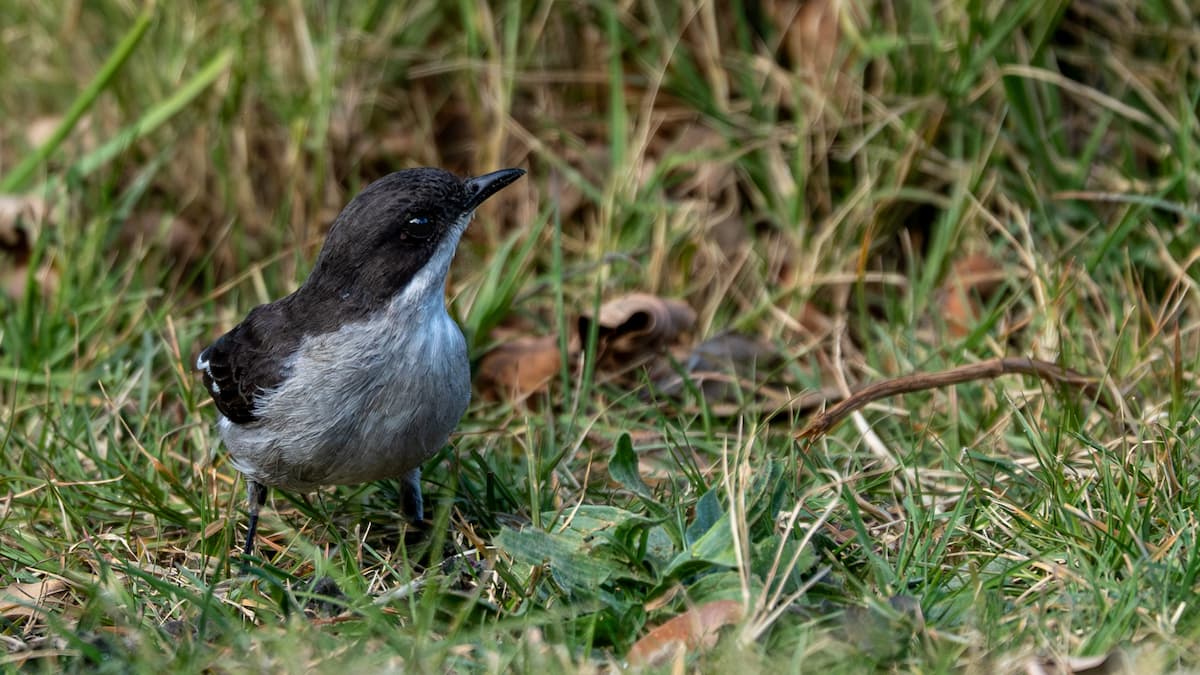
Large mammals draw the eye, but they do not exist in isolation. Every movement across the reserve is supported by a network of pollinators, seed dispersers, soil engineers, and sentinels whose presence signals balance or change within the environment.
Birds announce shifts in weather and predator movement. Insects recycle organic matter and sustain plant life. Small mammals influence vegetation patterns and provide prey that supports larger species.
Understanding these relationships adds context to every game drive.
Birds as the Bush’s Early Warning System
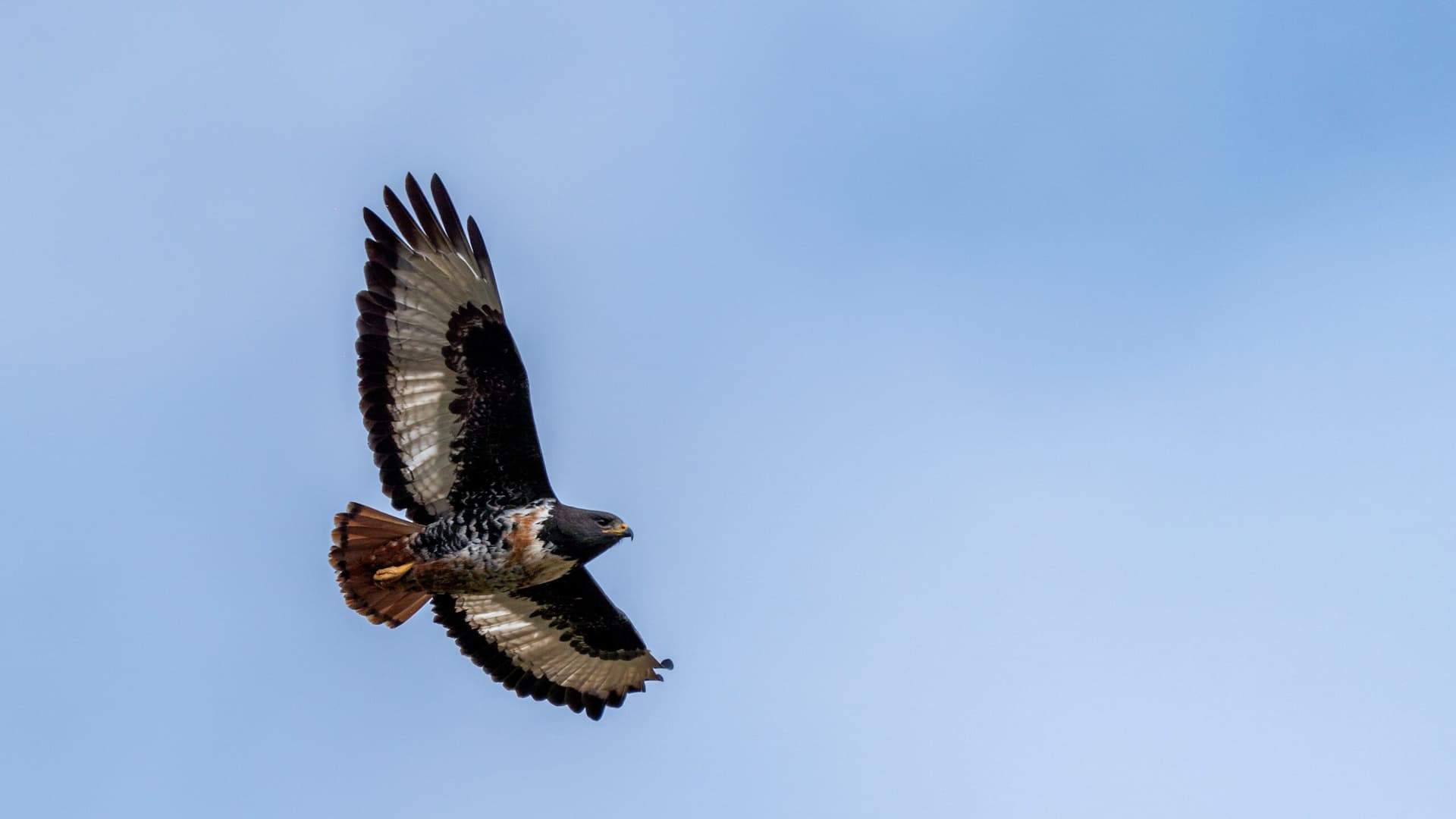
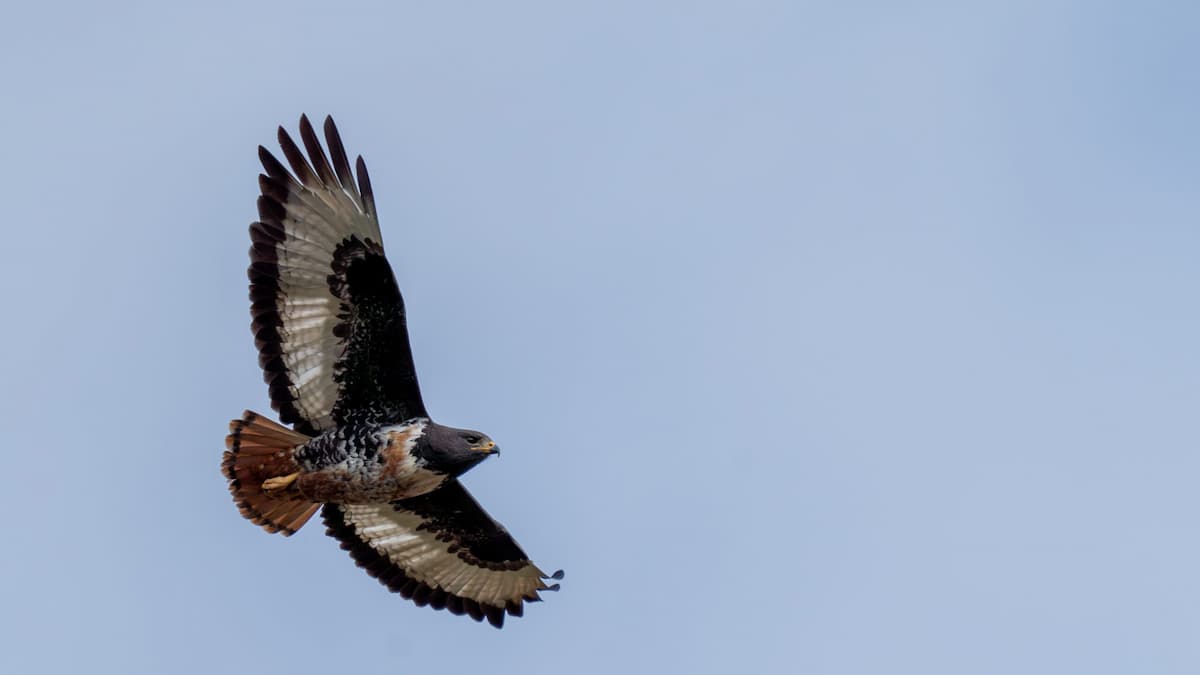
Birdlife in the Eastern Cape is both diverse and expressive. Even without binoculars, attentive observers notice how birds respond to movement and sound long before larger animals come into view.
Certain species act as informal sentries, altering calls when predators pass nearby. Others follow large mammals, feeding on insects disturbed by hooves or grazing. Seasonal migrations bring shifts in colour, song, and activity, subtly marking the passage of time in the bush.
For photographers and naturalists alike, birds often provide the first indication that something unseen is unfolding nearby.
Insects: The Foundation of the Ecosystem
Insects rarely feature in safari highlights, yet they underpin nearly every visible process in the landscape.
Dung beetles recycle nutrients back into the soil, improving plant growth and water absorption. Pollinators sustain flowering plants that feed herbivores. Termites aerate the ground, creating microhabitats used by reptiles, birds, and small mammals.
These cycles operate continuously, largely unnoticed, yet without them the broader ecosystem would falter.
Observing insect behaviour particularly after rain or during seasonal changes offers insight into the health and resilience of the reserve.
Small Mammals and Nocturnal Life
While daytime game drives focus on larger wildlife, the bush changes character after dark. Smaller mammals emerge, shaping a parallel ecosystem that operates largely out of sight.
Rodents, hares, and insectivores influence seed distribution and vegetation patterns. Their activity supports owls, jackals, and other nocturnal predators, reinforcing the interconnectedness of the food web.
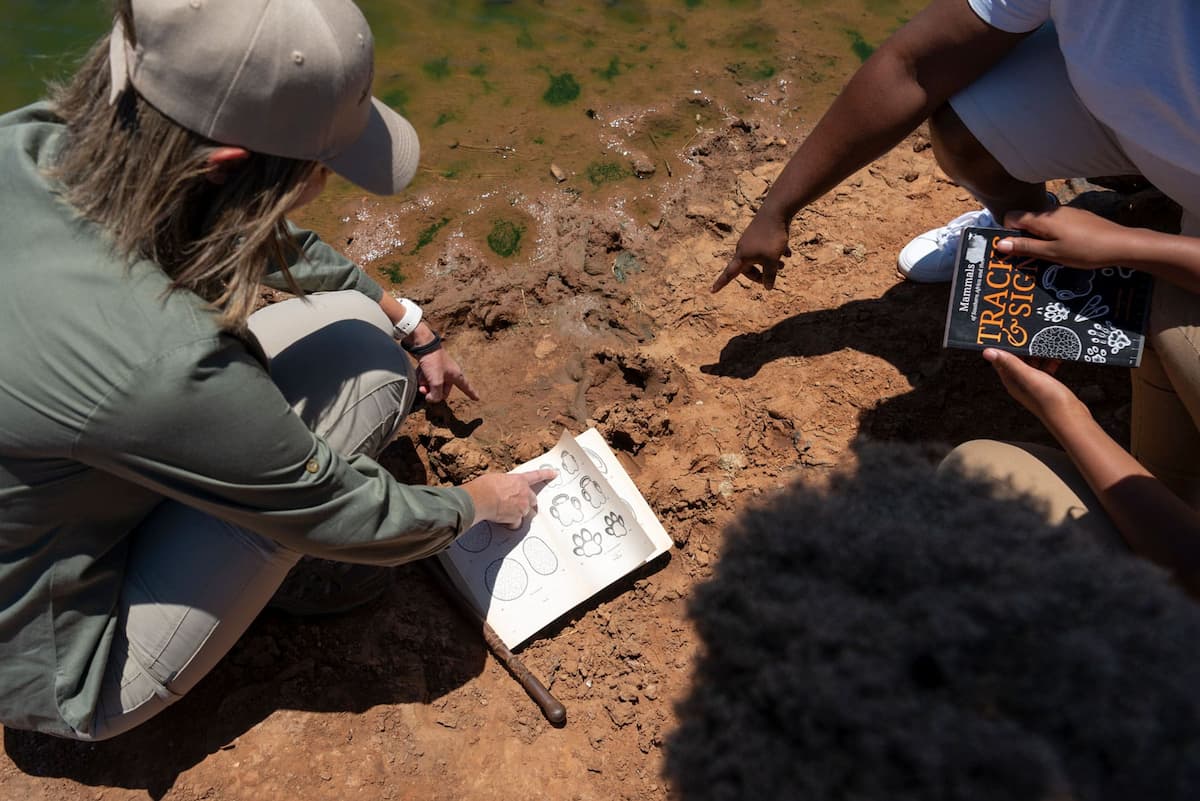
Even during daylight hours, subtle signs tracks, burrows, disturbed soil tell stories of animals that passed through long before vehicles arrived.
Rodents, hares, and insectivores influence seed distribution and vegetation patterns.
The Interconnected Web of Life
One of the most compelling aspects of the Eastern Cape bush is how tightly woven its relationships are. A single flowering plant may support multiple insect species, which in turn feed birds, which alert larger animals to danger.
Waterholes concentrate life, drawing species together across size and hierarchy. At Founders Lodge, time spent observing these areas reveals layered interactions that unfold gradually, often unnoticed by those focused solely on headline sightings.
This interdependence is what allows the ecosystem to sustain itself.
Learning to Notice the Details
Guides and trackers often draw attention to these quieter elements during drives, pointing out tracks, calls, and behaviours that reveal what the bush is doing beyond the obvious.
Learning to see these details transforms the safari experience from a checklist into a study of patterns and relationships. The reward lies not in spectacle, but in understanding.
For many guests, these moments become the most memorable not because they are dramatic, but because they reveal how the bush works.
Why These Small Moments Matter
Recognising the importance of birds, insects, and lesser-known species reinforces a broader conservation ethic. Protecting ecosystems means valuing every layer, not only the most visible ones.
Founders Lodge sits within a conservation landscape adjacent to Shamwari Private Game Reserve, where long-term rewilding and habitat restoration have allowed these interconnected systems to re-establish and thrive.
In this setting, small moments are not peripheral they are essential.
A Deeper Safari Experience
Safari in the Eastern Cape rewards those willing to slow down and observe. Beyond the Big Five lies a quieter, more intricate world that shapes every sighting and every season.
By paying attention to birds, insects, and the hidden wildlife web, guests gain a fuller understanding of the landscape they are travelling through and of the delicate balance that sustains it.
Explore the Details of the Bush
If you’re interested in a safari experience that values ecological depth, observation, and understanding alongside wildlife viewing, our team is happy to assist with planning your stay and activities.