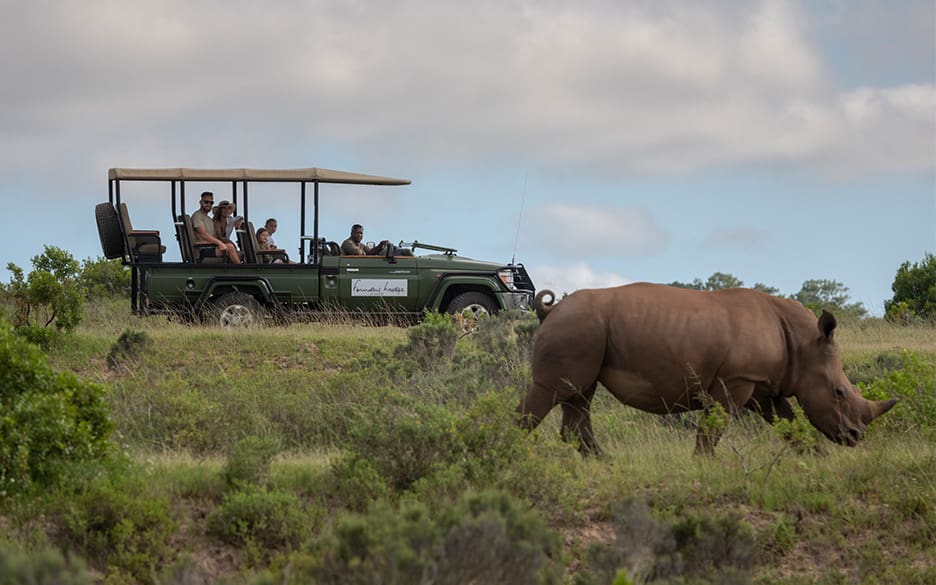
Most safari destinations have a season travellers are told to avoid. The Eastern Cape does not really have one, and the reason is climatic rather than promotional.
Much of southern Africa’s better known safari country runs on a pronounced wet and dry cycle. Rain arrives in summer, the bush thickens, roads soften, and game viewing becomes harder. The Eastern Cape works differently. The region sits in a humid subtropical zone with no distinct dry season, and rainfall is spread fairly evenly across the year rather than concentrated into a few months.
The practical result is that there is no closed season and no month that should be ruled out. What changes between seasons is the character of the safari, not whether it is worth taking.
In this guide
The short answer
For the easiest game viewing, come between May and September. The bush is thinner, and animals concentrate around permanent water, which makes them easier to find and to photograph.
For warm weather, long days and green bush, come between October and April.
For a balance of both, the shoulder months of April, May, September and October are the ones experienced travellers tend to choose.
And whenever you come, the Eastern Cape is malaria-free all year round. That single fact removes the seasonal calculation that shapes safari planning elsewhere, where travellers weigh peak wildlife months against peak mosquito months. Here there is no trade to make. The full malaria-free guide covers the detail.
Winter, June to August: the clearest game viewing
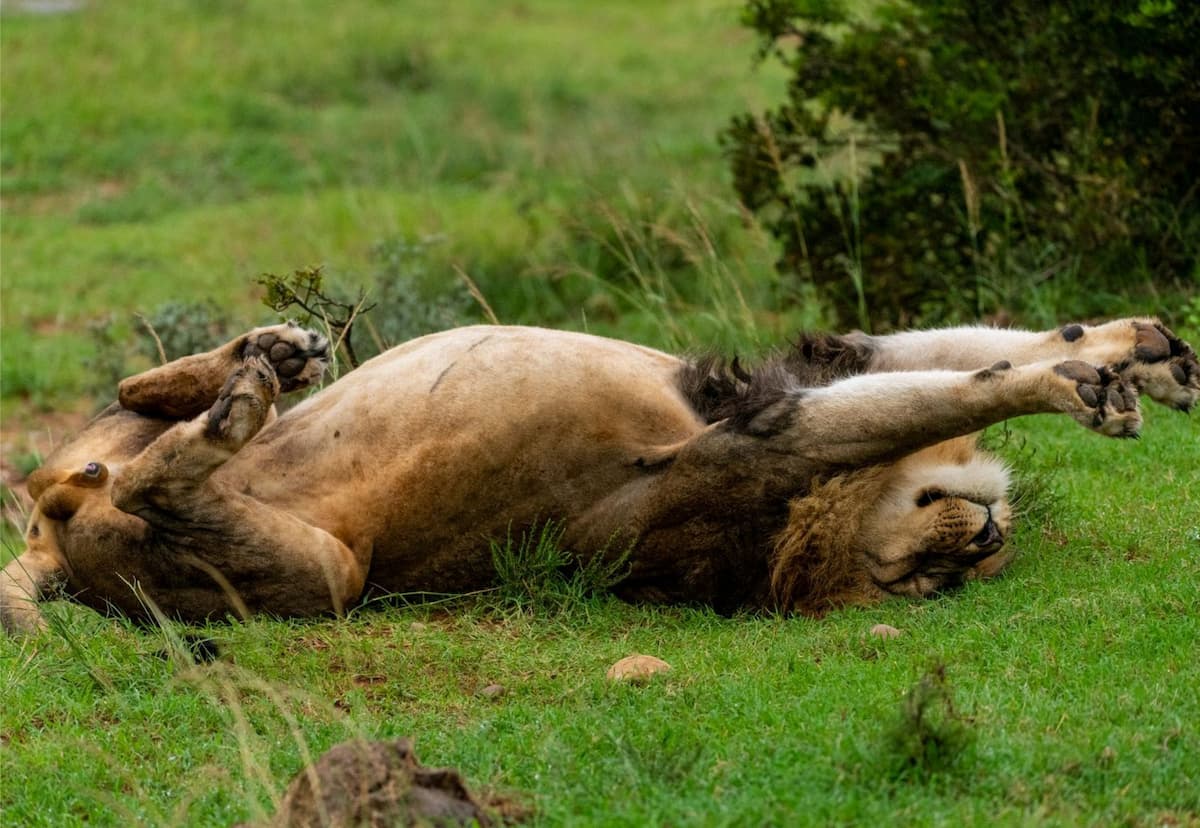
Winter is the classic Eastern Cape safari season, and the case for it is straightforward. Vegetation thins out, sightlines open up, and with less standing water available, animals return to the waterholes and rivers that hold. Guides know those places. A predictable water source is easier to work than country where an animal can drink anywhere.
Days are mild, with regional temperatures typically running from about 7°C to 22°C, and early mornings are cold. That is a packing question rather than a comfort problem, and the packing list covers the layers that matter on an open vehicle.
Winter also brings the crispest air of the year, and the low angle of the sun through the middle of the day extends the usable light. The photography guide goes further into this.
Best for: first-time safari travellers who want the strongest odds, photographers, and anyone who dislikes heat.
Spring, September to November: the turn
Spring is the most underrated window of the year. The bush has not yet closed up, so much of the winter advantage still holds, while the days lengthen and warm. Rainfall picks up slightly, which greens the veld without soaking it.
It is also when the reserve starts to look its best on camera: new growth against open ground, and softer light than high summer.
Best for: travellers who want good viewing without winter mornings, and photographers who want green in the frame.
Summer, December to February: green, warm and alive
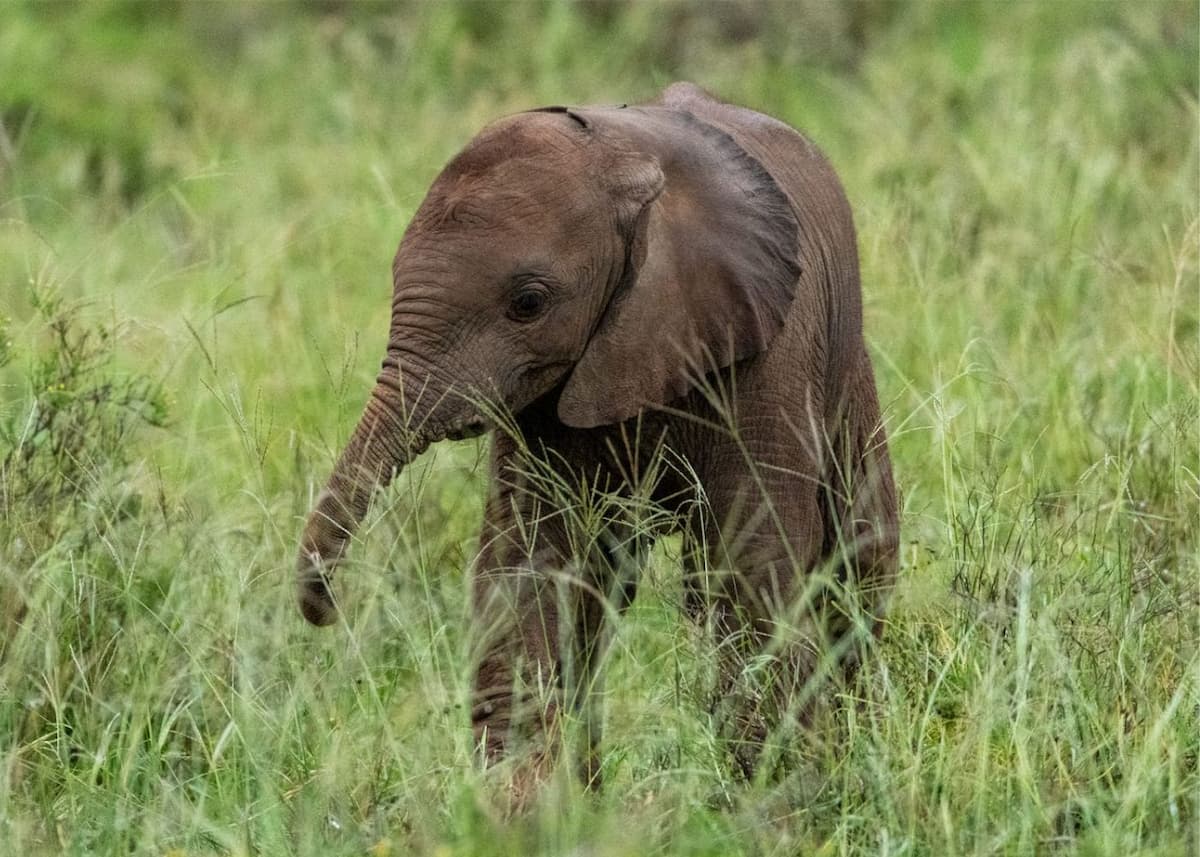
Summer is the season of long days and full colour, with regional temperatures generally between about 16°C and 36°C. The bush is at its greenest, birdlife is at its most active, and the extended daylight means drives run later into the evening.
The honest trade is that game viewing takes more work. Thicker vegetation gives animals more cover, and with water more widely available they are less tied to the waterholes. This is where guiding earns its keep, and where a low-density reserve shows an advantage. Fewer vehicles, more traversing ground, and guides who track rather than wait.
Summer is also the South African holiday season, which affects availability more than it affects the wildlife.
Best for: families travelling in school holidays, birders, and anyone who wants warmth and green country and is relaxed about working a little harder for sightings.
Autumn, March to May: the quiet favourite
Autumn is the season most often recommended by people who have been several times. The summer heat drops away, the bush begins to thin, and rainfall eases after the late-summer peak. Game viewing improves week by week through April and into May, and the light is excellent.
It is also outside the main holiday periods, which tends to mean a quieter reserve.
Best for: returning travellers, couples, and anyone who wants strong game viewing without booking a year ahead.
At a glance
| Season | Months | Weather | Game viewing | Suits |
|---|---|---|---|---|
| Summer | Dec to Feb | Warm, green, longest days | Harder work, thicker bush | Families, birders |
| Autumn | Mar to May | Cooling, settling | Improving steadily | Couples, returning guests |
| Winter | Jun to Aug | Mild days, cold mornings | Clearest of the year | First-timers, photographers |
| Spring | Sep to Nov | Warming, greening | Still very good | A balance of both |
Booking ahead
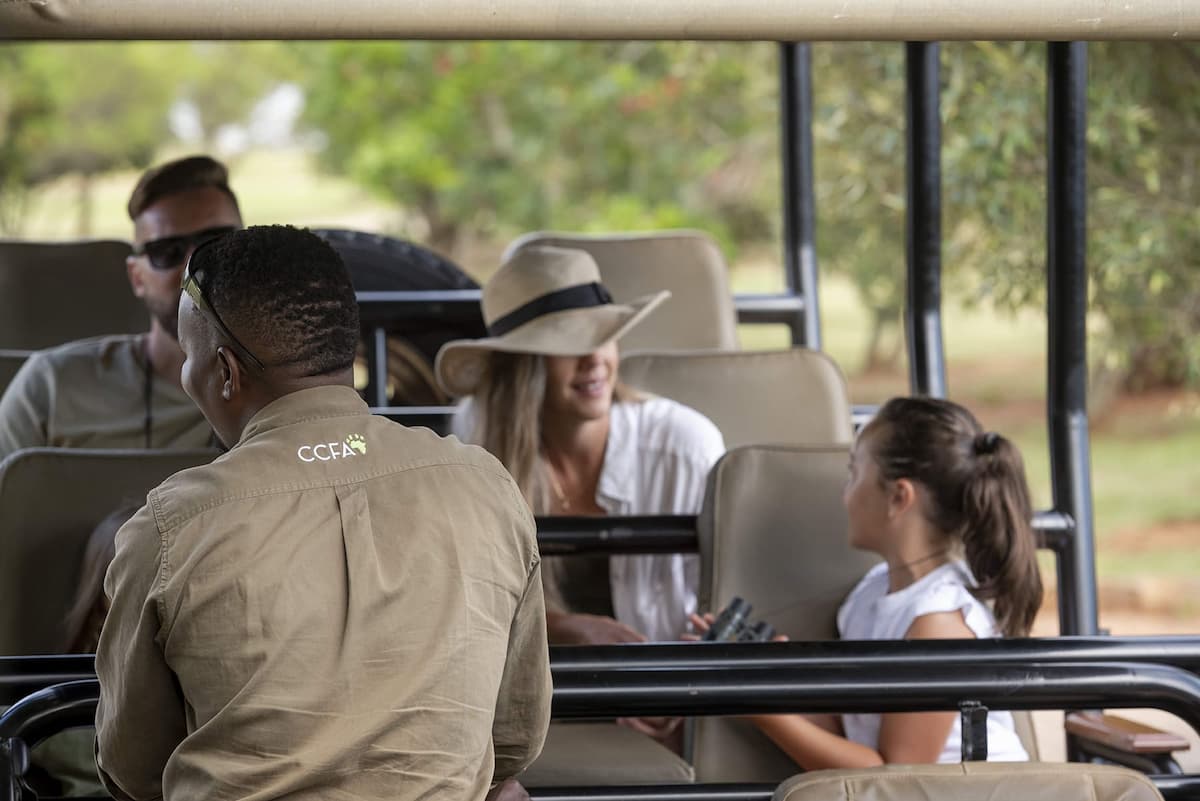
Travellers ask this more often than they ask about weather, and the answer depends less on the wildlife than on the calendar.
Founders Lodge has seven suites in the main lodge, so the property is small by design. A handful of bookings fills it. That matters more than any seasonal pattern, because even a quiet month can be fully committed once a group has taken the lodge.
South African school holidays, Easter and the mid-year period are the busiest windows for safari travel generally, so those are the dates worth fixing first. If a particular suite matters, book earlier, because there is only one of several of them. And if the safari is part of a wider trip, set the safari dates first and build the rest around them, since a lodge of this size has less flexibility than a coastal hotel.
Rates are quoted per stay and vary with dates, party size and suite, so contact Founders Lodge directly for a tailored quote.
Choosing your month
| If you want | Come in |
|---|---|
| The best odds of finding animals | June, July, August |
| Green country and long days | December, January, February |
| A balance of both | April, May, September, October |
| Fewer people at the lodge | March, May, November |
| Comfortable walking conditions | April, May, September |
| Photography with clean sightlines | June, July, August |
Whatever the month, the shape of the day stays the same, and how many nights are booked makes more difference to what guests see than which season they choose. Getting here is covered in the travel guide, and the wider region in the Eastern Cape guide.
Questions travellers ask
What is the best month for a safari in South Africa’s Eastern Cape?
For game viewing, June through August is the clearest, because thinner bush and fewer water sources concentrate wildlife. For warm weather and green country, December through February. April, May, September and October offer a balance of the two.
Is there a bad time to visit the Eastern Cape for safari?
No. The region has no distinct dry season and rainfall is spread across the year, so there is no closed season. What changes is the character of the safari rather than whether it is worth taking.
Is the Eastern Cape malaria-free all year round?
Yes. The Eastern Cape is malaria-free all year round, so there is no seasonal malaria risk to plan around. Travellers should still confirm current health guidance for their full itinerary with a travel clinic before departure.
What is the weather like on an Eastern Cape safari in winter?
Mild during the day, typically around 7°C to 22°C, and cold on early morning and evening drives. Layers matter more than heavy clothing, and a warm outer layer is essential in an open vehicle.
How far in advance should I book a safari?
Earlier than most travellers expect, because the main lodge has only seven suites and fills quickly, particularly over South African school holidays, Easter and the mid-year period. Contact Founders Lodge directly to check availability for your dates.
Is it better to visit in the green season or the dry season?
The Eastern Cape does not have a true dry season in the way the lowveld does, so the choice is between clearer winter viewing and warmer, greener summer conditions rather than between a good season and a bad one.